
SMBs must stretch marketing budgets. Learn tips to leverage simple tools and boost your marketing and business online.
Communicating with your customers via email is a great way to engage with your customers. The following are two ways this can be done:
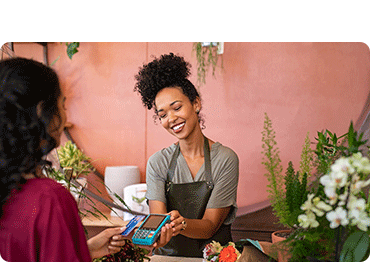
- In-store: Use a system, such as a point of sale (POS) device, which asks customers at check-out time if they want to provide their email address in order to receive promotional communications from your business. To give your customers an eco-friendly experience, you can also utilize email addresses to enable digital receipts to be sent immediately post purchase.
- Online: Ask customers through a “sign up’’ or “log in” button on your website and/or during the online checkout process if they want to receive promotional communications.
- PRO TIP: Take email marketing a step further by building a directory that helps you target specific customer groups, so your messages are tailored and effective. For example, you could group your customers according to how often they visit your website.
- A potential next step is to build a campaign calendar. Consider emailing your customers about your loyalty program, special sales and offerings, event invitations, or links to your social media accounts.
Help keep customers engaged by applying the following practices:
- Provide relevant, personalized content to incentivize customers to open the emails.
- Keep your email communications organized. This includes having a clear and brief subject line. Develop a call to action, or what you want consumers to do. Be sure to design your email and write the copy accordingly.
- Test your content through email marketing programs. Engagement metrics include number of consumers who opened, clicked on, or unsubscribed from your emails.
- Do not send too many emails. We recommend sending emails no more than a few times a month, and only send emails when there is compelling content to share.
- Consult with a professional to make sure that your opt-in, use, and unsubscribe practices comply with applicable law.
Social media
Social media is another tool for defining or refining your brand identity, engaging with customers, and sharing content. It allows for product announcements, promotions, and even conversations with customers to take place without requiring a web development team.
- Start by creating a profile (account) for your business. It is useful to stay active by posting frequently and answering consumers' questions to help build and keep consumers engaged. Other tips to keep in mind:
- Create your own cadence of posting, and read your audience. Similar to emails, if you post too frequently you may risk becoming a nuisance, but not posting enough won’t help you stay relevant. To begin, try posting weekly and if you’re seeing good engagement, increase the frequency.
- Craft your brand’s voice—keep it consistent and don’t be afraid to use your personality to differentiate yourself!
- Help keep consumers engaged by sharing your expertise, asking conversation-starter questions, and engaging with your audience.
- If you have an in-person location, you can make your brand shareable by styling part of the store in a way to encourage selfies and incent customers to post on social media. Include a hashtag on display so that customers know how to tag you, and even consider rewarding consumers for sharing about your business.
- Track performance through metrics such as number of fans, views, and visits.
- If possible, consider investing in a paid targeting strategy on social media for offers and product marketing. Using criteria such as location, demographics, and interests can help to ensure your marketing is seen by those most likely to visit.
Reviews and review sites
Create your business’s profile on a variety of review sites. Reviews should be easy to find for prospective customers, and cover your business and the product/service you offer.- If you have an online presence, be sure to direct consumers to your website. Maintain control over your business information, such as hours of operation and your official website, within these review sites. This also allows you to upload photos and respond to reviews. The more places your business appears, the easier people can find you and post feedback.
- To help remain competitive in your industry, your online reviews should be strong and current. Go the extra mile by responding to both positive and negative reviews quickly. New clientele will notice, and if done well, this can help build credibility.
- Remind customers to spread the word. If you’re not seeing many reviews, create an appealing promotion to encourage in-store customers to post reviews online. Make customers aware of your promotion as they make an in-store purchase and include the deal on in-store signage.
Excerpt from Digital Transformation of SMBs: The Future of Commerce, presented by Visa.
Disclaimer: Case studies, comparisons, statistics, research, and recommendations are provided “AS IS” and intended for informational purposes only and should not be relied upon for operational, marketing, legal, technical, tax, financial or other advice. Visa neither makes any warranty or representation as to the completeness or accuracy of the information within this document, nor assumes any liability or responsibility that may result from reliance on such information. The information contained herein is not intended as investment or legal advice, and readers are encouraged to seek the advice of a competent professional where such advice is required.